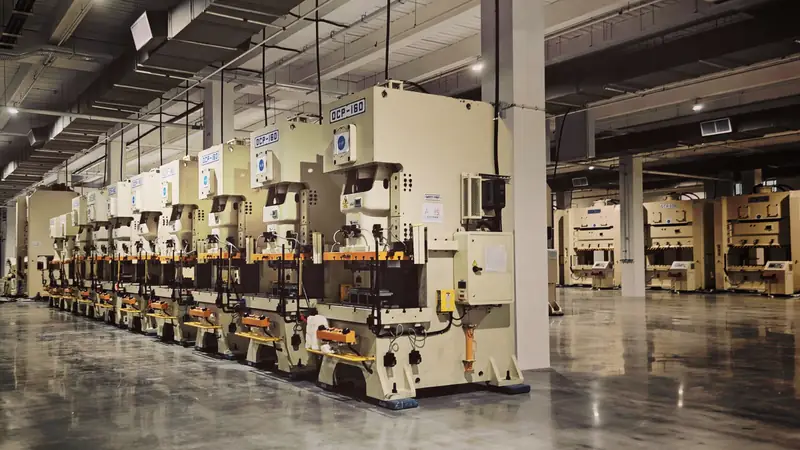
Why the process chain matters more than the catalogue
Aftermarket auto-parts websites are built to show breadth: thousands of OE cross-references, every make and model. From the factory-marketing side, we know breadth is the easiest thing to put on a page, because a cross-reference table costs nothing to publish. Capability is narrower. A foundry with machining lines makes discs and drums. A friction-material plant makes pads and shoes. A supplier offering both, plus sensors and hardware kits, is buying some of them in. That can be a perfectly good one-stop supplier, but you need to know which items come from where, because quality and approvals follow the plant, not the catalogue.
What we check first
- Process chain for your parts: casting, machining, balancing, coating, assembly, packing. Which steps are in-house, and which are subcontracted and to whom?
- Approvals in the supplier’s own name:
- ECE R90 for replacement brake linings, discs and drums in markets that apply it
- E-mark approvals for lighting and other regulated parts
- DOT plant registration for brake hoses sold in the US
- IATF 16949 where your customer requires it
- Material grade and evidence: for grey-iron discs, a named grade (for example HT250 under the Chinese standard, comparable to EN-GJL-250), with chemical and mechanical test results per batch, not a one-off report.
- Dimensional control: the measuring equipment for critical dimensions (thickness variation, run-out, balance) and whether first-article reports are provided.
- Packing and branding: retail boxes, labels with your part numbers, anti-rust protection for sea freight.
- Company records: licence scope, insured headcount and certificate holder, compared with the plant you are shown. See the verification guide.
Where we look
Shandong has auto-parts producers around Jinan, Weifang, Qingdao and Dongying, all within a same-day trip from our office in Jinan. Zhejiang (notably the Wenzhou–Ruian area) and Hebei are other major sources, which we cover by video tour or a quoted visit. Brake discs and drums overlap heavily with the casting industry. See castings and machinery parts.
See what a report looks like
Our sample report is for vented grey-iron brake discs, six references, for an EU buyer. It uses invented example data, but the structure is what you receive: declarations, a comparison on your spec, each check marked verified, unclear or mismatch, and the risks we would want to know about. For how to make quotes comparable before you decide, see how Chinese factory quotes are built.
What we don’t do
We don’t issue approvals or test reports, and we don’t test parts. Where you need a formal audit, product testing or a pre-shipment inspection, we coordinate an accredited inspection company or lab, and their report is theirs.
Questions we get about this
Is IATF 16949 necessary for aftermarket parts?
It depends on your customer and market. Many aftermarket buyers accept ISO 9001 plus product approvals and batch test reports. Some distributors and all OEM supply chains require IATF 16949. We check whichever the supplier claims, and whether it covers the site making your parts.
Can you check ECE R90 approvals?
We check that the approval documents name the supplier (or its linked plant) and cover your part numbers, and that the approval marking on the product and packaging matches. Formal confirmation rests with the approval authority shown on the approval.